



Exotic coffee beans
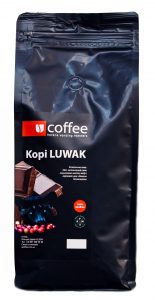
Rare Types and Varieties of Coffee Beans
Exotic coffee beans attract attention not only because of their unusual origin, but also because they often provide a different taste experience compared to familiar commercial blends. This group usually includes limited-volume lots, beans from uncommon regions, rare varieties, or coffees processed in special ways. For the buyer, this means not just different packaging or a higher price, but specific differences in bean density, aroma, acidity, sweetness, and aftertaste.
Exotic coffee is not a separate botanical species. Most often, it refers to Arabica or blends with unusual origin and processing characteristics. That is why in this category it is important to look not only at the country name, but also at the growing altitude, tree variety, fermentation method, harvest year, and roast freshness.
What Is Usually Considered Exotic Coffee
The concept of exotic coffee covers several product groups. First, it includes beans from rare regions or small farms that do not operate in the mass-market segment. Second, it includes microlots with unconventional processing: natural, anaerobic, honey, or experimental fermentation. Third, it includes coffee with increased attention to variety and terroir, where flavor is shaped not only by roasting, but also by growing conditions.
It is also worth mentioning rare coffee types known for limited production or difficult logistics. Some become popular because of an unusual production method, while others stand out because of the natural conditions of the region. That is why exotic coffee types cannot be evaluated by name alone. In this category, verified origin, transparent information, and real bean characteristics are especially important.
How Exotic Varieties Differ from Regular Whole-Bean Coffee
The main difference lies in flavor complexity and the expressiveness of origin. Mass-market blends are usually created so that the taste remains the same from batch to batch. Exotic coffee varieties, by contrast, often show noticeable differences depending on season, farm, altitude, and processing method. One lot may deliver bright fruity notes, another a deeper chocolate tone, and a third floral or spicy nuances.
Another difference concerns the texture of the drink. Some exotic coffee types have a fuller body, while others show more pronounced acidity. For enthusiasts, this matters because such coffee gives more possibilities for precise selection for espresso, filter, cezve, or alternative brewing methods.
Why the Origin of the Bean Matters
Climate, soil type, altitude, and a farm’s microclimate directly affect bean development. That is why the same Arabica from different countries can open up differently. This is especially noticeable in exotic coffee because small differences are not smoothed out by large-scale blending.
Beans from high-altitude regions often have greater density and brighter acidity. Exotic coffee from more humid or warmer zones may be sweeter and softer. If unusual fermentation or a limited harvest is added to this, the result is a product that creates interest in this category. That is why exotic coffee beans require an attentive approach when choosing, rather than relying only on the name.
What Influences the Flavor of Exotic Coffee
The taste of such beans is determined by several factors at once. The first is the botanical variety. The second is the processing method after the cherries are harvested. The third is the roast. If the roast is too dark, it can overpower the bean’s natural nuances. If it is too light, some buyers will perceive the cup as too acidic. That is why in this category a balance is important between preserving natural characteristics and maintaining a clear flavor structure.
The brewing method is no less important. The same bean can open up differently in an automatic coffee machine, in a dripper, or in a cezve. That is why buying exotic coffee beans makes the most sense when you take into account how exactly they will be prepared at home or in the office. For espresso, denser and sweeter options are more often chosen. For filter brewing, lots with cleaner flavor and a more detailed aroma are usually more interesting.
Why Rare Coffee Beans Cost More
The higher price of exotic coffee does not always mean a marketing markup. In many cases, rare coffee types cost more because of lower production volumes, more complex logistics, manual sorting, stricter quality control, and lower yields of certain varieties. If the beans undergo experimental fermentation or are grown on small high-altitude plots, costs rise even at the production stage.
Buying exotic coffee beans makes sense when a person genuinely wants to experience different flavor characteristics.
Who Exotic Coffee Beans Are Suitable For
This category is most interesting to those who want to broaden their understanding of coffee flavor and try unusual or rare varieties. It suits experienced buyers who already understand the difference between basic roast styles, as well as those looking for a gift option or a special lot for a particular occasion.
At the same time, exotic coffee should not be seen as a product only for a narrow circle of enthusiasts. If the choice is made correctly, even a beginner can understand the difference between regular whole-bean coffee and a microlot with a more expressive taste. The main thing is not to choose the most expensive option at random, but to relate it to your own brewing habits.
How to Choose and Buy Exotic Coffee Beans
Before buying exotic coffee beans, it is worth paying attention to several criteria. First of all, this is the country and the farm. Next comes the processing method. After that, it is worth evaluating the roast level and the recommended brewing method. If the information about the beans is limited to a beautiful name only, that is already a reason to approach the product more cautiously.
For home use, it is better to start with options that include clear data on flavor characteristics and intended use. If you plan to order beans for espresso, it is worth looking at denser and more balanced lots. For alternative methods, options with brighter acidity and a cleaner taste are usually more suitable. This approach helps you avoid overpaying for coffee that simply does not match your brewing method.
Exotic Coffee at Ucoffee
For an online store, it is important that the buyer can not only buy rare coffee types, but also understand how they differ. Exotic coffee varieties require more precise explanation than regular commercial products. A person should see the country of origin, bean variety, processing type, roast level, and brewing recommendations.
This is exactly the approach that allows you not just to order coffee, but to choose it for a specific purpose. For some, it will be a new flavor in filter brewing; for others, a dense bean for espresso; and for others, a rare variety of whole-bean coffee as a gift.
Frequently Asked Questions About Exotic Coffee Bean Varieties
What does exotic coffee beans mean?
This usually refers to beans with unusual origin, limited production volume, a rare variety, or a special processing method.
How is exotic coffee different from regular coffee?
It more often has more expressive flavor characteristics, smaller production lots, and a more specific connection to a particular region or farm.
Are exotic coffee types always more expensive?
In most cases yes, but the reason is usually related to lower production volume, more complex processing, and higher bean selection costs.
Is this kind of coffee suitable for a coffee machine?
Yes, but the choice depends on the roast and bean density. Not every rare lot performs equally well in an automatic machine and in filter brewing.
How do you know whether it is worth buying rare coffee?
It makes sense to buy such an option if you want to try a different flavor, compare origins, or choose beans with more precise characteristics.
Can exotic coffee be ordered as a gift?
Yes, this is a common option, especially if you need a product with unusual origin and a clear bean story.
Exotic coffee beans are a category for those who pay attention to origin, processing method, and flavor differences, not only to the standard strength of the drink. Such products make it possible to better understand the difference between regions, varieties, and roast styles. If you want to buy exotic coffee beans for yourself or as a gift, it is worth evaluating the beans by specific characteristics, not by the name alone.