



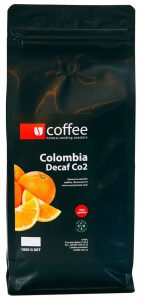
Decaffeinated Whole-Bean Coffee
Decaffeinated whole-bean coffee remains full coffee in terms of taste, aroma, and brewing method. The difference is that most of the caffeine is removed from the green beans before roasting, while preserving the variety’s characteristics, the body of the drink, and its main flavor notes. That is why decaf coffee is chosen not only by people who are sensitive to caffeine, but also by those who want to drink coffee in the evening, control their daily caffeine intake, or simply look for a milder option for everyday use.
Modern decaffeinated coffee has long ceased to be a compromise. Quality raw material, precise decaffeination, and proper roasting make it possible to get beans that can be used for espresso, filter coffee, cezve brewing, or French press without a strong stimulating effect. In many cases, the difference between classic coffee and decaf is felt not in quality, but only in the level of alertness after a cup.
What Decaffeinated Coffee Is and How Much Caffeine Remains in It
Decaffeinated whole-bean coffee does not mean a complete absence of caffeine. After processing, a small amount of this substance usually remains in the beans, but it is significantly lower than in regular coffee. For most buyers, this matters from a practical point of view: the taste and aroma remain, while the effect on the nervous system is reduced.
That is why decaf whole-bean coffee is interesting to those who want to keep the familiar coffee taste without a pronounced stimulating effect. For some, this is a matter of comfort; for others, personal dietary restrictions; and for some, simply the desire to have one more cup during the day without extra caffeine.
How Caffeine Is Removed from Coffee Beans
The decaffeination process takes place before roasting. Green beans are used for this, and caffeine is gradually extracted from them while trying to preserve aromatic and flavor compounds as much as possible. In practice, several main methods are used.
The water method is based on the use of water and filtration. It is considered one of the gentlest for the flavor profile because it helps reduce the loss of aromatic components.
The carbon dioxide method works selectively and preserves the natural properties of the bean well. It is often associated with more precise control over the result.
There are also methods that use approved solvents, which are completely removed during production after processing. When the technology is properly followed, such methods are also considered safe.
For the buyer, what matters is something else: regardless of the method, quality decaffeinated whole-bean coffee should have aroma and a clean taste. If the beans are weak in quality from the start, decaffeination itself will not fix that. That is why the origin of the raw material, roast freshness, and proper storage are decisive.
How the Taste of Decaf Differs from Classic Coffee
The most common prejudice is that decaffeinated coffee is always flat or watery. In reality, this depends not on the fact of decaffeination itself, but on the variety, roasting, brewing recipe, and quality of the raw material. Good decaffeinated coffee can have chocolate, nutty, caramel, fruity, or spicy notes, as well as pleasant sweetness and mild acidity.
Decaf coffee is often perceived as slightly softer in the aftertaste. For some, this is an advantage, especially if a person does not like sharp bitterness. If the beans are roasted properly, the drink does not lose its structure and can remain fully expressive even in espresso.
Who Decaffeinated Whole-Bean Coffee Is Suitable For
This option is often chosen by people who love the taste of coffee but do not want a strong stimulating effect. This may relate to evening consumption, sensitivity to caffeine, or an individual reaction such as rapid heartbeat, tension, or sleep problems. Decaffeinated coffee is also of interest to those who simply monitor their caffeine intake throughout the day.
At the same time, it is important not to turn decaf into a universal medical recommendation. If a person has specific health-related restrictions, the final decision about drinking coffee is better discussed with a doctor.
What to Pay Attention to When Choosing Decaffeinated Coffee Beans
When a person plans to buy decaffeinated whole-bean coffee, it is worth looking not only at the word decaf itself. First of all, the origin of the beans matters. Arabica usually gives a more delicate and softer profile, while blends can be denser and more intense.
The second criterion is roasting. A lighter profile preserves acidity and complex notes better, a medium roast makes the taste more balanced, and a darker roast emphasizes bitterness, chocolate, and body density. Everything depends on what kind of drink is needed: for espresso, a coffee machine, filter brewing, or cezve.
The third point is freshness. Even quality decaf loses expressiveness if the beans sit too long after roasting or are stored incorrectly.
How to Prepare Decaffeinated Coffee Properly
In terms of brewing method, decaf coffee does not require separate complicated recipes. It can be used in an automatic coffee machine, a manual espresso machine, a cezve, a French press, an AeroPress, or for filter methods. At the same time, it should be taken into account that different beans react differently to grind size and water temperature.
For espresso, a slightly denser recipe is usually suitable so the taste remains rich. For filter brewing, a medium or slightly finer grind and careful control of brew time tend to work better. In a cezve, it is important not to overheat the drink to avoid excessive bitterness. If a home coffee machine is used, the best result usually comes from fresh beans and a grind adjusted for the specific blend.
That is why decaf whole-bean coffee is convenient: the buyer chooses the brewing method and controls the taste in the cup. This is especially important for those who do not want to switch to instant coffee and value whole-bean coffee specifically.
What the Price of Decaffeinated Whole-Bean Coffee Is
The price of decaffeinated coffee is often higher compared to regular coffee of the same class. The reason is clear: the producer adds a separate stage of bean processing, and this affects the cost. In addition, quality decaf is usually made from carefully selected raw material so that after caffeine removal the drink remains expressive.
The cost of decaffeinated whole-bean coffee should be evaluated by the origin of the beans, roast freshness, type of decaffeination, and the predictability of the result in the cup. If the product delivers a clean taste, stable aroma, and suits your brewing method, such a purchase is usually more rational than cheaper beans without clear characteristics.
Decaffeinated Coffee for Home, Office, and Evening Drinking
For home use, decaf is convenient because it does not force a change in habits. A person still grinds the beans, brews espresso or filter coffee, and gets a familiar drink, but with less caffeine. In the office, it can be a good choice for the second half of the day, when a coffee break is needed without excessive stimulation. In the evening, decaf allows you to keep the coffee ritual itself without an unwanted effect on sleep.
For Ucoffee, this also has practical meaning because the buyer often arrives with a specific need: not simply to buy beans, but to find exactly the flavor profile that will be comfortable for everyday use.
Why It Is Better to Choose Beans Rather Than Pre-Ground Coffee
Decaffeinated whole-bean coffee preserves aroma and flavor complexity longer. This rule applies equally to both classic coffee and decaf. After grinding, aromatic compounds evaporate faster, so decaffeinated whole-bean coffee gives more opportunities for precise flavor adjustment. The buyer can choose the grind for their brewing method, control extraction, and achieve a more consistent result.
That is why many coffee lovers aim to buy decaffeinated coffee in whole beans rather than pre-ground form. This is a rational choice for those who do not want to lose quality already at the storage stage.
How to Choose and Buy Decaffeinated Coffee on Ucoffee
When choosing, it is worth focusing on several basic criteria: bean type, roast style, desired taste, and brewing method. If a mild option for daily brewing is needed, it is better to pay attention to balanced positions with a chocolate-nut profile. If a cleaner and more delicate taste is of greater interest, it is worth looking toward a lighter or medium roast.
In the Ucoffee catalog, it is easier to order decaffeinated coffee when the buyer understands exactly why they are choosing the beans: for espresso, milk drinks, filter coffee, or general home use. This approach helps avoid a random purchase and match the taste more precisely to your needs.
Frequently Asked Questions About Decaffeinated Whole-Bean Coffee
Does decaf contain any caffeine at all?
Yes, a small amount may remain. But it is significantly less than in regular coffee, so the effect on the body is usually much weaker.
Can you buy decaffeinated whole-bean coffee for a coffee machine?
Yes, whole-bean decaf is suitable for automatic and manual espresso machines. The main thing is to choose the right grind and recipe for the specific beans.
Does the taste change after caffeine is removed?
Some changes are possible, but in a quality product the taste remains full. Well-roasted beans preserve aroma, sweetness, and the character of the variety.
Who is decaffeinated coffee suitable for?
It is most often chosen by people who are sensitive to caffeine, want to drink coffee in the evening, or control their total caffeine intake during the day.
Why is the price of decaffeinated coffee sometimes higher?
Because production includes an additional decaffeination stage and also requires precise control of raw material quality and processing.
Is it worth trying decaffeinated coffee for the first time without prior experience?
Yes, especially if you are interested in the taste of coffee without a pronounced stimulating effect. For a first introduction, it is better to choose balanced medium-roast options.
Decaffeinated coffee is not a substitute for real coffee, but a separate and complete category of beans with its own characteristics. It suits those who want to keep the taste, aroma, and familiar brewing method, while reducing the amount of caffeine in their diet. If you need to buy decaffeinated whole-bean coffee for home, office, or evening drinking, it is worth paying attention to the bean origin, roast type, freshness, and a clear flavor profile. In that case, buying decaffeinated coffee means choosing not a compromise, but a thoughtful option for everyday consumption.