



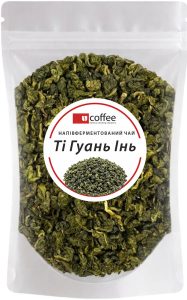
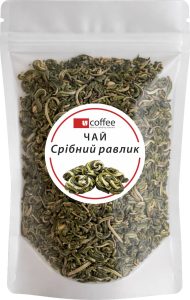
Green Tea: Buy Loose Leaf Green Tea Online
Green tea is one of the most well-known tea drinks in the world, but behind one name there can be a major difference in taste, aroma, processing method, and infusion character. One variety offers light freshness and grassy notes, another a soft sweetness, and a third a fuller, more насыщенный taste. That is why buying green tea without understanding the basic differences means choosing almost at random. Ucoffee shows that this drink can be very different, and the right choice depends not on the name, but on the properties of the leaf, the country of origin, and how exactly the green tea is brewed.
Green teas are valued for their fresh taste, natural aroma, and broad range of nuances. They are suitable for home, the office, as a gift, or as an everyday drink. At the same time, natural green tea does not require a complicated approach if the buyer understands how one type differs from another and what to look at before purchasing.
What Green Tea Is and How It Differs from Other Types
Green tea is made from the leaves of Camellia sinensis. Its main feature is that after harvesting, the leaf almost does not go through full oxidation. It is quickly heated to stop enzymatic processes and preserve its natural color, freshness, and taste. Because of this, green tea is usually lighter in infusion, softer in profile, and more delicate in aroma than black tea.
In China, the leaves are more often pan-fired in hot vessels, while in Japan they are usually steamed. Because of this, even with a similar name, the brewed result can be very different. Chinese green tea varieties often show nutty, chestnut, floral, or fruity notes, while Japanese teas tend to have more pronounced freshness, vegetal character, and a light marine tone. When a buyer wants to buy green tea for the first time, this difference often shapes the first impression of the drink.
The Origin of Green Tea and the Development of the Tradition
Historically, green tea is associated primarily with China. It was there that the long tradition of harvesting, heating, and drying the leaf was formed, later giving rise to many local styles. Later, Japan developed its own distinct school, where processing techniques changed both the taste and aroma of the tea. Today, green tea is also produced in Kenya, Vietnam, Sri Lanka, and other countries, but for most buyers, the classic reference points remain Chinese and Japanese varieties.
For those who want to buy green tea in Ukraine not just by a familiar name, but by flavor characteristics, the country of origin really matters. It does not guarantee quality automatically, but it often suggests the direction of taste even before the first infusion.
What Determines the Taste of Green Tea
Taste is shaped by several factors at once. The region, growing altitude, harvest season, leaf type, fixation method, rolling, and drying all matter. Young spring leaves are usually valued more highly because they produce a softer and cleaner infusion. Whole leaves usually unfold more evenly, while broken material brews faster and often gives a harsher result.
That is why delicious green tea means different things to different people. One person looks for softness without bitterness, another wants a denser infusion, a third wants a floral aroma, and a fourth prefers restrained freshness without additives. When the choice is made carefully, it becomes easier not just to buy classic green tea, but to find the one that truly suits everyday drinking.
Main Varieties of Green Tea
Among the best-known Chinese green tea varieties are Longjing, Bi Luo Chun, Maofeng, and Lu’an Gua Pian. They differ not only in the appearance of the leaf, but also in the character of the infusion. One gives a nutty-grain direction, another more floral notes, freshness, or sweet undertones. In the Japanese tradition, Sencha, Gyokuro, Matcha, and Genmaicha are especially well known. These more often show grassy, seaweed-like, and umami notes.
There are also blends with jasmine, mint, ginger, citrus, berries, or flowers. They can be a good choice for those who want a more aromatic infusion without a difficult search. But if purity of taste matters, then loose leaf green tea without additives gives a more accurate idea of the raw material itself.
How to Choose Green Tea for Yourself
It is best to start with simple questions. Do you prefer a softer tea, or do you want more pronounced freshness? Do you plan to drink it every day, or are you looking for something interesting for calm tea sessions? Do you need a clean taste without additives, or are floral or fruity additions appropriate?
If you need a universal option, it is better to order calm green teas with a clean taste and without unnecessary sharpness. If you want a more expressive aroma, then you can pay attention to jasmine or other blends. If the goal is to buy green tea as an introduction, it is better to start with several small items rather than one large package.
When a person wants to buy green tea for home, they usually care about a balance between taste, convenience, and price. That is why the key point is not the rarity of the variety, but how understandable its character is.
Loose Leaf and Blooming Green Tea
Loose leaf tea gives more control over brewing. The buyer decides the amount of leaf, the strength, and the infusion time. Because of this, loose leaf green tea is often chosen by those who want to control the taste more precisely and see the raw leaf itself before brewing.
If naturalness and control matter to the buyer, natural loose green tea will often be the more appropriate solution.
How to Brew Green Tea Properly
One of the most common mistakes is pouring boiling water over green tea. Because of excessively high temperature, the infusion easily becomes too strong and bitter. For most varieties, lower-temperature water works better. The more delicate the leaf, the more carefully brewing should be approached. Time also matters: if the infusion is left too long, even good green tea loses its balance.
Water quality is also very important. If the water is hard or has off odors, the taste changes very noticeably. That is why before ordering a large volume, it is worth checking how a specific variety behaves under your actual brewing conditions.
What You Should Know About the Beneficial Properties of Green Tea
Green tea is often mentioned in discussions about antioxidants, gentle stimulation, and natural freshness. It really does contain caffeine, catechins, and amino acids, especially theanine. But it is important not to turn the drink into a universal remedy for every problem. A more accurate way to put it is this: green tea is part of the normal diet of many people, and its composition has been well studied. At the same time, the perceived effect can differ: one person feels gentle alertness, another a calmer state.
So when a buyer wants to buy green tea not only for taste, but also because of interest in its composition, it makes sense to keep a realistic approach. It is a quality drink with its own properties, not a medical product.
Storing Green Tea
Green tea is sensitive to moisture, light, air, and strong foreign odors. It is better to keep it in tightly closed packaging, away from the stove, sunlight, and spices. If storage conditions are broken, even good raw material quickly loses freshness and aroma. That is why green tea with a price above average will not always justify itself if stored incorrectly.
How to Choose and Order Green Tea on Ucoffee
On Ucoffee, it makes sense to focus on several things: the country of origin, the type of leaf, the presence or absence of additives, and the package weight. If you want to start with the classics, it is better to choose pure varieties without flavoring. If you want a brighter aroma, you can look at blends with flowers or fruit.
For a first purchase, it is sensible to take several small items. After that, it becomes easier to understand which taste suits you. This makes it easier not just to order green tea, but to find your own taste. If you need a tea for regular use, it is worth evaluating not only the aroma and infusion, but also whether the green tea, at a price that suits you, matches the quality of the leaf and the actual enjoyment you get from the cup.
Frequently Asked Questions About Green Tea
How is green tea different from black tea?
The difference is primarily in the way the leaf is processed. Green tea almost does not go through full oxidation, so its infusion is usually lighter, softer, and fresher. Black tea gives a denser and more astringent taste.
Which green tea is better for a beginner?
It is usually best to start with calm classic varieties without sharp bitterness and without many additives. This makes it easier to understand the basic taste of the leaf itself.
Is it worth buying a large amount of green tea right away?
Only if you already know the specific variety. If the tea is new to you, it is better to try a smaller amount first.
Why can one variety be bitter while another is not?
Both the properties of the leaf and the water temperature and infusion time matter. Bitterness often appears not because of low quality, but because of incorrect brewing.
Which is better: bagged or loose leaf green tea?
If convenience matters, bagged tea can be appropriate. If control and a cleaner flavor expression matter, loose leaf green tea is more often chosen.
How do you choose and buy green tea?
You need to look at the country of origin, the type of leaf, the composition, and the weight. The more precisely these details are specified, the easier it is to understand what exactly you are buying.
Why do different people perceive green tea differently?
Because taste preferences differ. Some like softness and sweetness, others prefer pronounced freshness or a vegetal character. That is why it is important to compare several varieties instead of drawing conclusions from just one product.